01
When the pandemic closed Kenya's schools and emptied its hotels, the foundation ran a weekly distribution into Kibra that reached 500 families, around 3,000 people, week after week.
02About this project
COVID-19 hit hardest where people earn a daily wage. In Kibra, one of Nairobi's largest informal settlements, work disappeared almost overnight, and with schools closed the children lost their classrooms too. In April 2020 the foundation began funding a weekly distribution of food and books there, run with Maniago Safaris and the Stand Up Shout Out network led by Peter Moll, reaching 500 families, around 3,000 people.
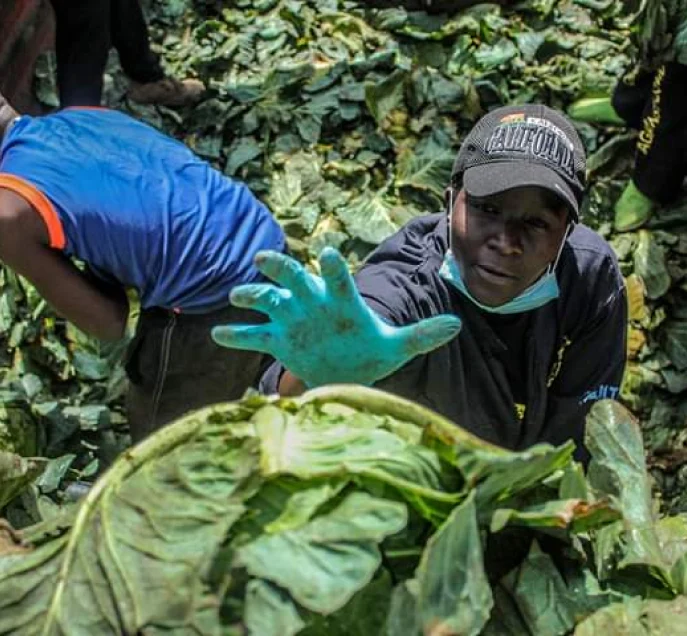
It was run carefully. Fresh vegetables and fruit were sourced directly from nearby farms; a screening system controlled entry to the distribution centre; masks were compulsory and special overalls were made to keep the distributors safe. Beyond the food, the team sprayed matatus and boda bodas to keep the vehicles hygienic, and set up large buckets of water with taps, kept refilled, so that people passing by could wash their hands.
Education ran alongside it. The fourth distribution focused on schooling: 431 children received education packages designed by their own teachers, so they could study at home and hand work back to be marked. There were no computers involved. Every package was assembled and every book carried by hand, and teachers went back to the closed schools to collect and return the children's work.
The work spread beyond Kibra. Food was driven out to communities near the Maasai Mara whose livelihoods had collapsed with tourism. By July 2020 the programme had reached its tenth distribution and thousands of recipients. That September it turned from relief to repair: with the SUSO team, the foundation backed a Community Challenge that cleaned, painted and built pathways at the Phoenix Library and Three Bells Primary School, and began a green space beside the library that the young people named Little Karura.