Skip to content
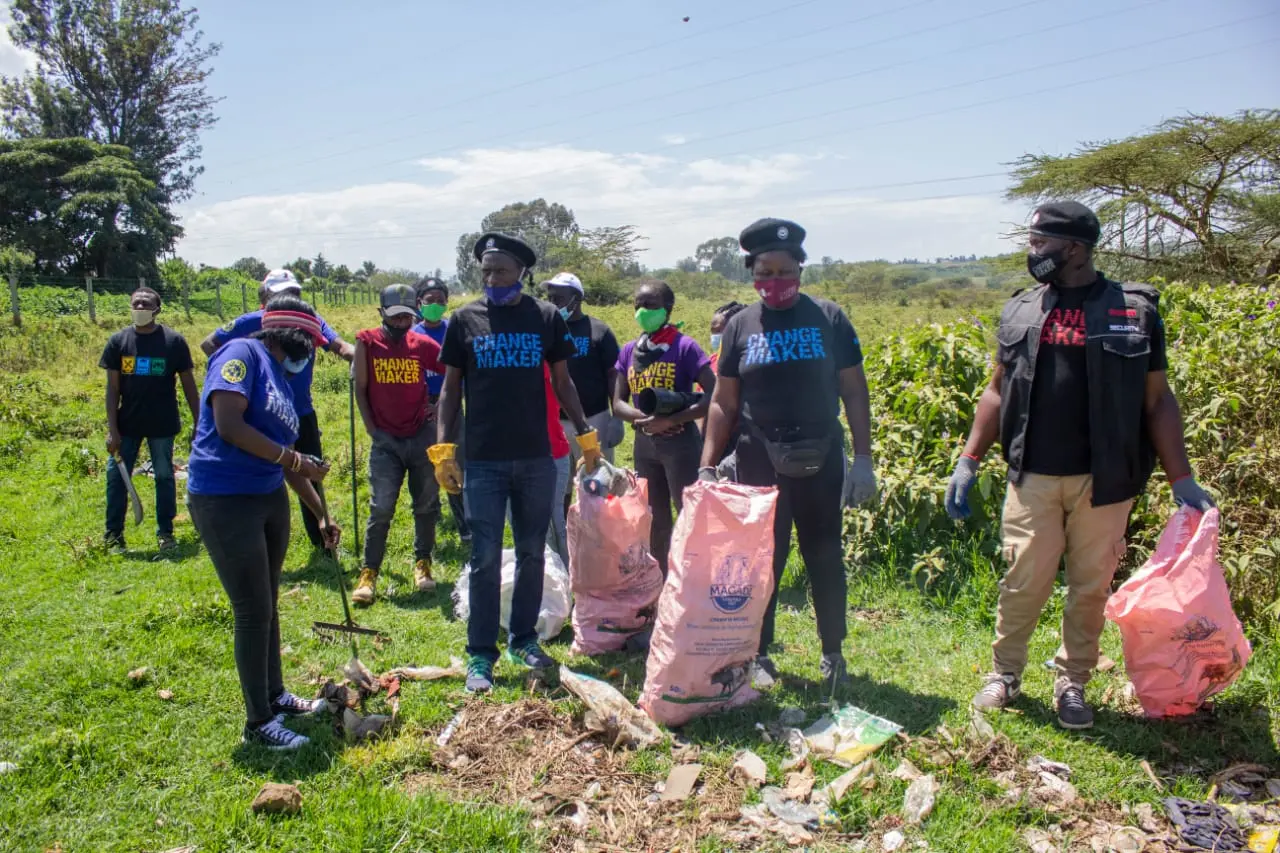
Volunteers with collection bags during a clean-up at Lake Nakuru National Park

Practical, community-led programmes in the Amboseli ecosystem, Nairobi National Park and the Samburu National Reserve.

We work face to face with the people who live alongside wildlife, designing programmes that answer the real, everyday challenges of doing so, and making sure conservation brings tangible social and economic value.

Students sitting an exam in a Kenyan classroom

01Education and youth

The future of conservation depends on the young people who will inherit it. Across the Amboseli ecosystem we fund secondary school scholarships and run conservation workshops, mentorship and environmental awareness programmes that help young people understand their role in protecting the world around them. Our programmes have reached thousands of students so far. The Amboseli OYC Choir is one of the most inspiring. Young people use music, dance and poetry to carry messages of conservation, culture and coexistence into their own communities.
Indigenous seedlings being unloaded for a community planting day

02Landscape restoration

Healthy ecosystems support healthy communities. Through the Olchani Project, funded and run in partnership with ifaw, we restore degraded land, strengthen wildlife corridors and help communities become stewards of their own environment. Olchani means tree in the Maa language. Tree planting is not simply putting seedlings in the ground. It rebuilds ecosystems, improves climate resilience and creates livelihoods. Working with local communities, we have established four community-managed nurseries with capacity for 42,000 indigenous seedlings, among them Osoit, Ildepen and Tembo, creating work and skills for women and young people. Their seedlings go to restoration sites such as the Orregie Enclosure inside Amboseli National Park, planned as a forest of 5,000 to 7,000 indigenous trees.

A farmer harvesting cabbages during the COVID-19 livelihoods project

03Community enterprise

Conservation succeeds when families can see its benefits in daily life. The Dignity Tailors programme gives women skills training, craftsmanship and a route into business. The Inkaramatak Ildepen Maasai Ushanga shop lets Maasai women sell their beadwork directly to travellers and keep the value of their work. Tourism partnerships invite visitors to take part in conservation activities while supporting local livelihoods. Stronger household incomes make communities active partners in protecting wildlife and the land it depends on.

Trustee Annabella Francescon inside a completed Dignity House for rangers

04Coexistence and guarding

For communities near protected areas, encounters with predators and elephants can threaten livestock, crops and lives. Rather than choose between people and wildlife, we work on solutions that serve both: predator-deterrent lighting that protects homesteads, beekeeping that earns an income while discouraging elephants from entering settlements, and coexistence training for the community leaders who hold it all together. Behind every protected landscape are rangers who spend long periods away from home in remote conditions. Through the Dignity Housing project we are replacing tents with safe, self-contained homes for rangers in Amboseli, Nairobi National Park and Samburu National Reserve. Six of Nairobi's 25 ranger camps have been housed so far, and an eight-unit base opened at Samburu in early 2026.

05In short

Four programmes, one approach. Scholarships and the Amboseli OYC Choir keep young people in school and give them a voice. The Olchani Project puts restoration in local hands, with four community-run nurseries for 42,000 indigenous seedlings. Dignity Tailors and the Maasai Ushanga shop turn craft into income that stays at home, and lighting, beekeeping and Dignity Housing make it safer to live alongside wildlife. None of it is done for communities. All of it is done with them.

See what the work adds up to

Figures from the programmes, and the emergency work we take on when drought or invasive species threaten the land.